A Park Ridge surgical team has published research showing a camera-guided miscarriage procedure virtually eliminates the uterine scarring that affects roughly one in six women after the standard operation.
Dr. Kirsten Sasaki, a minimally invasive gynecologic surgeon at CCRM Fertility & Gynecologic Surgeons of Illinois, and her senior partner Dr. Charles E. Miller studied 208 patients treated at two Park Ridge sites between 2019 and 2024. Their findings, published in the Journal of Minimally Invasive Gynecology, were the subject of a Forbes report on Monday, Aug. 31.
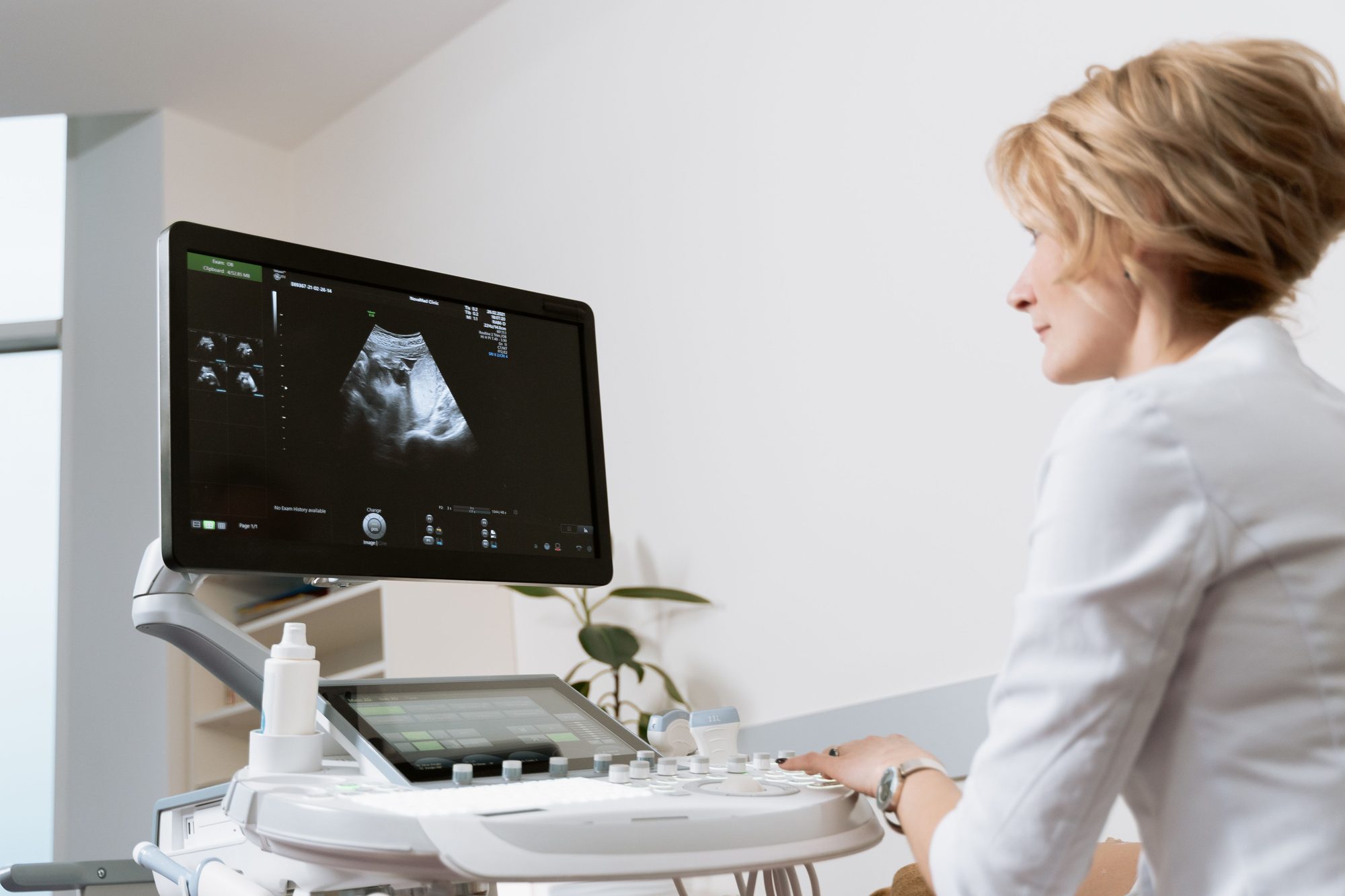
The technique, called hysteroscopic morcellation, uses a miniature camera that enters the cervix. The surgeon watches a monitor and removes tissue under direct visualization with ultrasound guidance. The standard dilation and curettage (D&C) is a blind procedure: a surgeon inserts an instrument past the cervix and removes tissue entirely by feel.
The difference in outcomes was stark. A 2025 meta-analysis of 13 studies found 17% of women develop intrauterine adhesions (IUAs) after a first-trimester D&C. In Sasaki's cohort, the adhesion rate with hysteroscopic morcellation was 0.6%. Among cases treated exclusively with the hysteroscopic method, the rate was zero.
Those adhesions carry consequences for future pregnancies, including infertility, pre-term delivery and peripartum hemorrhage. In the most severe cases, full-term pregnancy rates can drop to 20% to 40%, according to the Forbes report.
"We don't always tell them that if we do [D&C] procedure, we could cause scar tissue that could affect their ability to get pregnant in the future," Sasaki told Forbes. "It probably should be more at the forefront of the conversation."
Seventy-three percent of the procedures in Sasaki's study were performed in a physician's office rather than a hospital operating room. Sasaki told Forbes that patients miss about one day instead of facing multiple follow-up appointments to address complications from a D&C.
Miller, who performed all 208 procedures, practices at CCRM's Park Ridge office at 1700 Luther Lane, according to his CCRM profile. He has more than 40 years of surgical experience. The study's authors acknowledge that having one highly experienced surgeon perform every procedure may limit how broadly the results apply.
Only "a handful" of surgeons worldwide are trained in the technique for primary miscarriage management, Sasaki estimated. She said wider adoption depends on acceptance from the American College of Obstetricians and Gynecologists (ACOG) and the American Society for Reproductive Medicine (ASRM).