Young doctors at Advocate Children's Hospital in Park Ridge scored higher on family communication surveys after completing hands-on medical device training, a new study found.
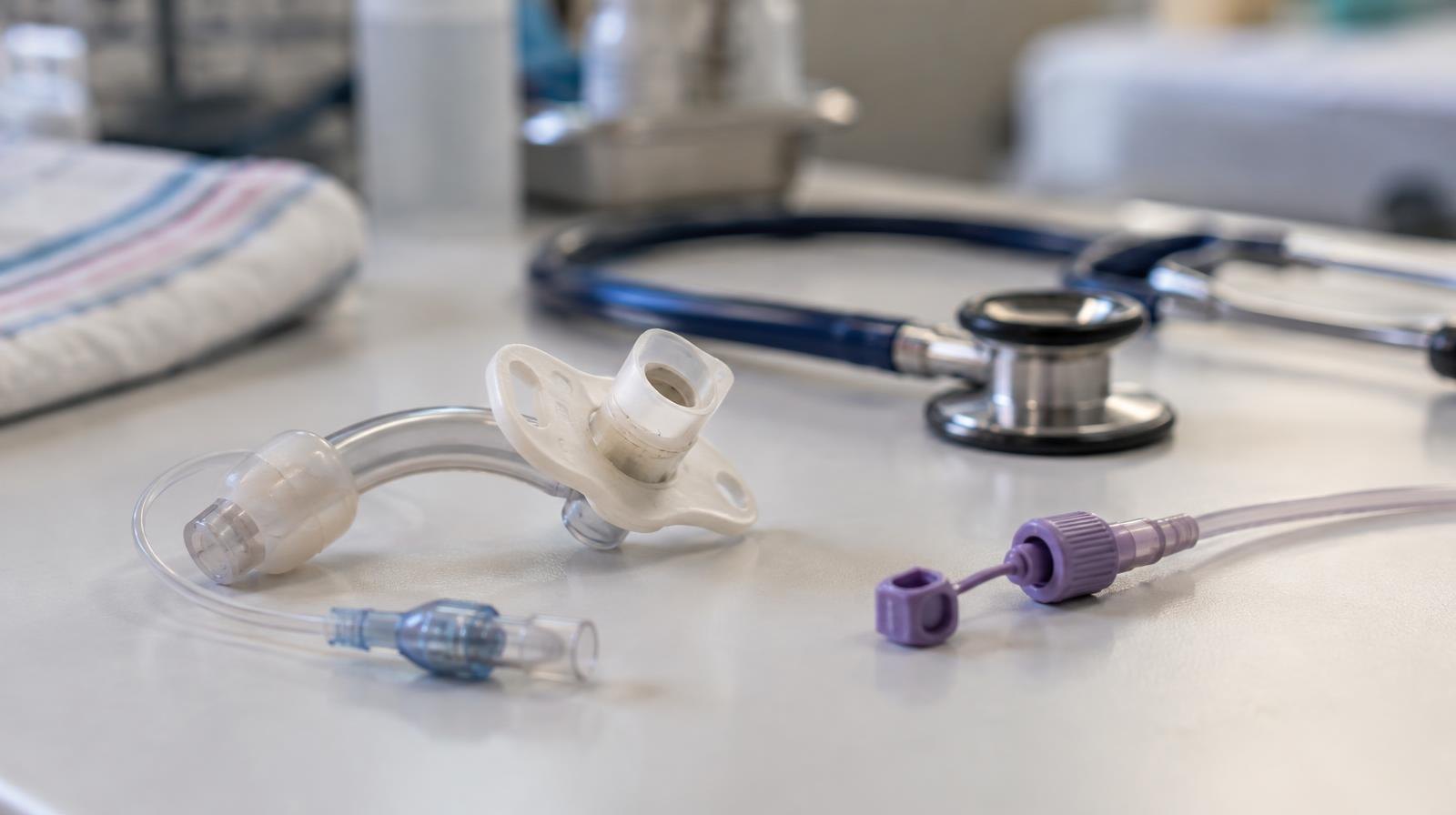
The research, announced Oct. 22 by Advocate Health's Advocate Aurora Research Institute, tracked 28 first-year pediatric residents at the Park Ridge and Oak Lawn campuses. Each resident completed five one-hour workshops covering devices used by children with complex medical needs: central lines, chest tubes, feeding devices, tracheostomies and cerebrospinal fluid shunts.
Physicians, nurses, advanced practice clinicians and respiratory therapists led the sessions. Groups were capped at 10 residents per instructor.
Researchers collected 253 caregiver surveys rating how well the residents communicated. The average score rose from 4.844 to 4.934 on a five-point scale. Four of 14 categories showed significant gains: explaining things in understandable terms, confirming families understood the information, encouraging questions and discussing next steps.
The gains held up against a comparison group. Eleven residents who did not receive the training scored lower in several communication areas, suggesting the improvements were tied to the workshops rather than simply gaining experience over time.
"We wanted to bridge that gap by developing a training that addresses this issue and in turn also helps the residents communicate with patients and their families," said lead author Kelci Butler, D.O., a pediatric hospitalist at Advocate Children's Hospital in Park Ridge and assistant professor of pediatrics at Wake Forest University School of Medicine.
Butler said the findings highlight that managing medical technology is only part of caring for children with complex conditions. Doctors also need to explain what is happening, make sure families understand the care plan and clearly discuss what comes next.
Caregivers were surveyed during their child's hospitalization using a modified 14-item Communication Assessment Tool, or CAT. Participation was voluntary. The researchers noted that collecting feedback in real time offered a perspective traditional medical education assessments struggle to capture.
The study is scheduled for the January 2027 issue of Hospital Pediatrics, a journal of the American Academy of Pediatrics, or AAP. The authors reported no relevant conflicts of interest or funding.
Next steps include testing the training at other hospitals with larger sample sizes. Researchers also want to explore whether similar workshops could improve communication around other aspects of caring for medically complex patients.