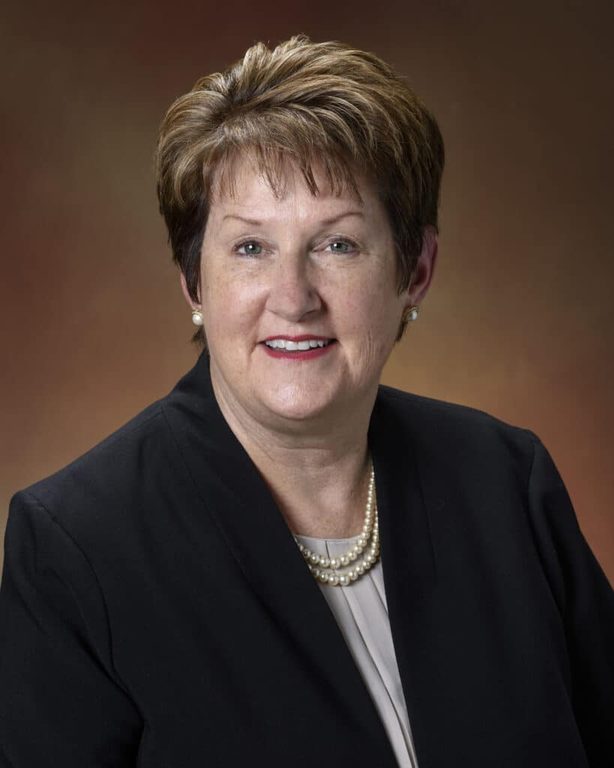
Unauthorized video recording and photography inside Illinois courthouses became a criminal offense after Gov. JB Pritzker signed SB 4038 on Aug. 1. The bill was sponsored by state Sen. Laura Murphy of Des Plaines, who represents Park Ridge and Niles.
The law makes it a Class A misdemeanor to record or photograph people without authorization in any courthouse in the state. That carries a penalty of up to one year in jail and a fine of up to $2,500.
The law targets a specific problem: domestic violence victims being filmed by their abusers while attending court hearings. The Cook County State's Attorney's Office said it pushed for the legislation after "several disturbing incidents" in which victims were recorded without consent, according to a press release from State's Attorney Eileen O'Neill Burke's office.
Before SB 4038, Illinois had no statewide criminal penalty for unauthorized cellphone recording or photography used to intimidate victims and witnesses inside courthouses.
"Domestic assault victims bravely battle trauma and anxiety when they testify at court hearings," Murphy said in an Aug. 3 announcement from the State's Attorney's Office. "It is our job in Illinois to support these victims by protecting them from intimidators who record them as a way to prevent them from sharing their voice."
The bill received bipartisan support in both chambers of the General Assembly. State Rep. Mary Gill of Chicago sponsored it in the House.
What the law covers
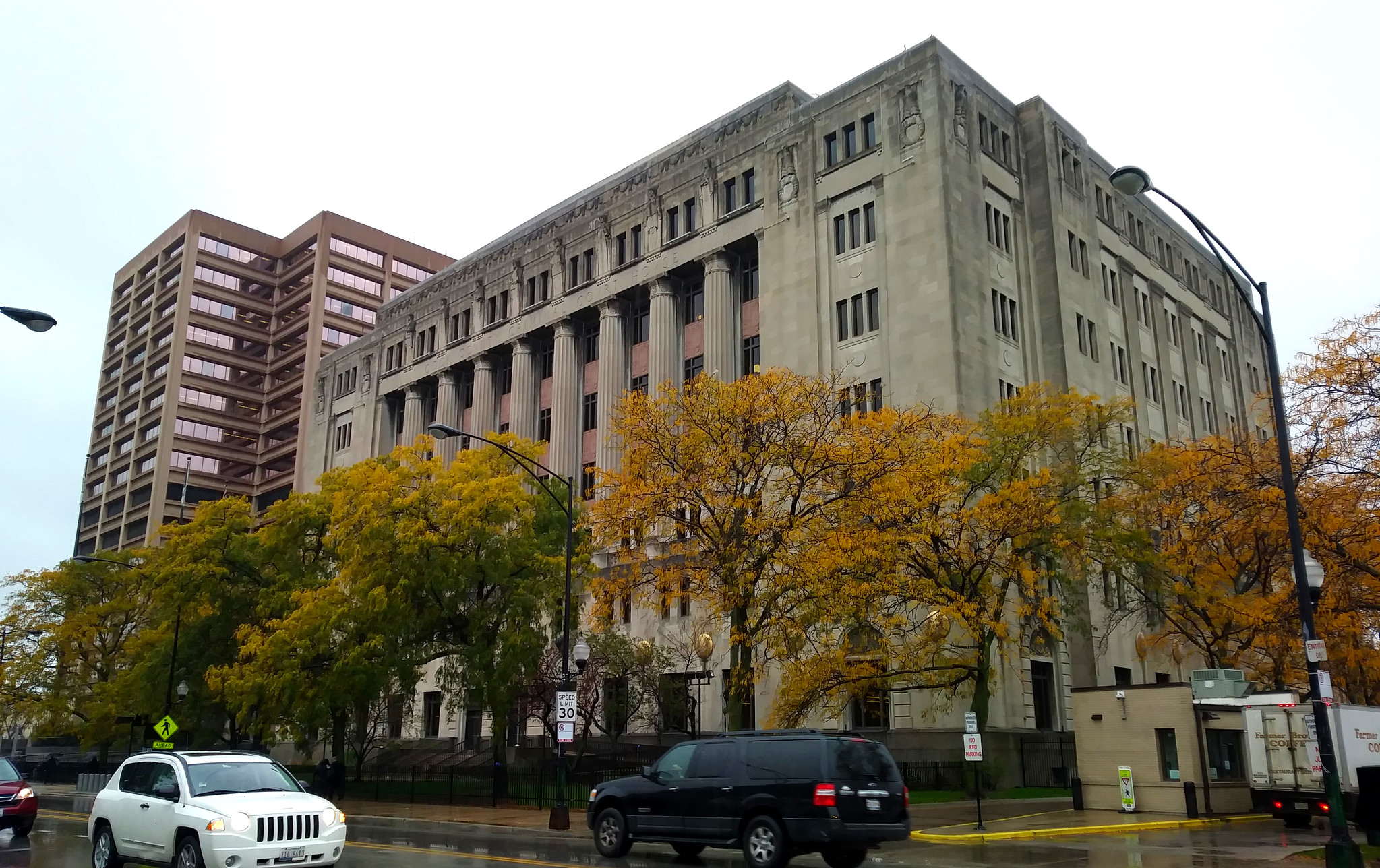
SB 4038 redefines "recording" to include video transmission and still photography. It defines "courthouse" broadly as any facility where court proceedings are held or court functions occur, whether local, county or state.
For Park Ridge and Niles residents, that means anyone appearing at any Cook County courthouse is protected from unauthorized recording under the new law.
Burke created the Special Victims Bureau shortly after taking office in 2024, a division handling domestic violence, sexual assault, crimes against children and hate crimes. SB 4038 is the second piece of legislation her office has championed since then.
CBS News Chicago independently confirmed the law's passage and its misdemeanor penalty.
The exact effective date could not be independently confirmed. The State's Attorney's Office stated the law "takes effect immediately" upon signing, while at least one news outlet reported a Jan. 1, 2027 effective date. Residents with questions can contact the Cook County State's Attorney's Office.