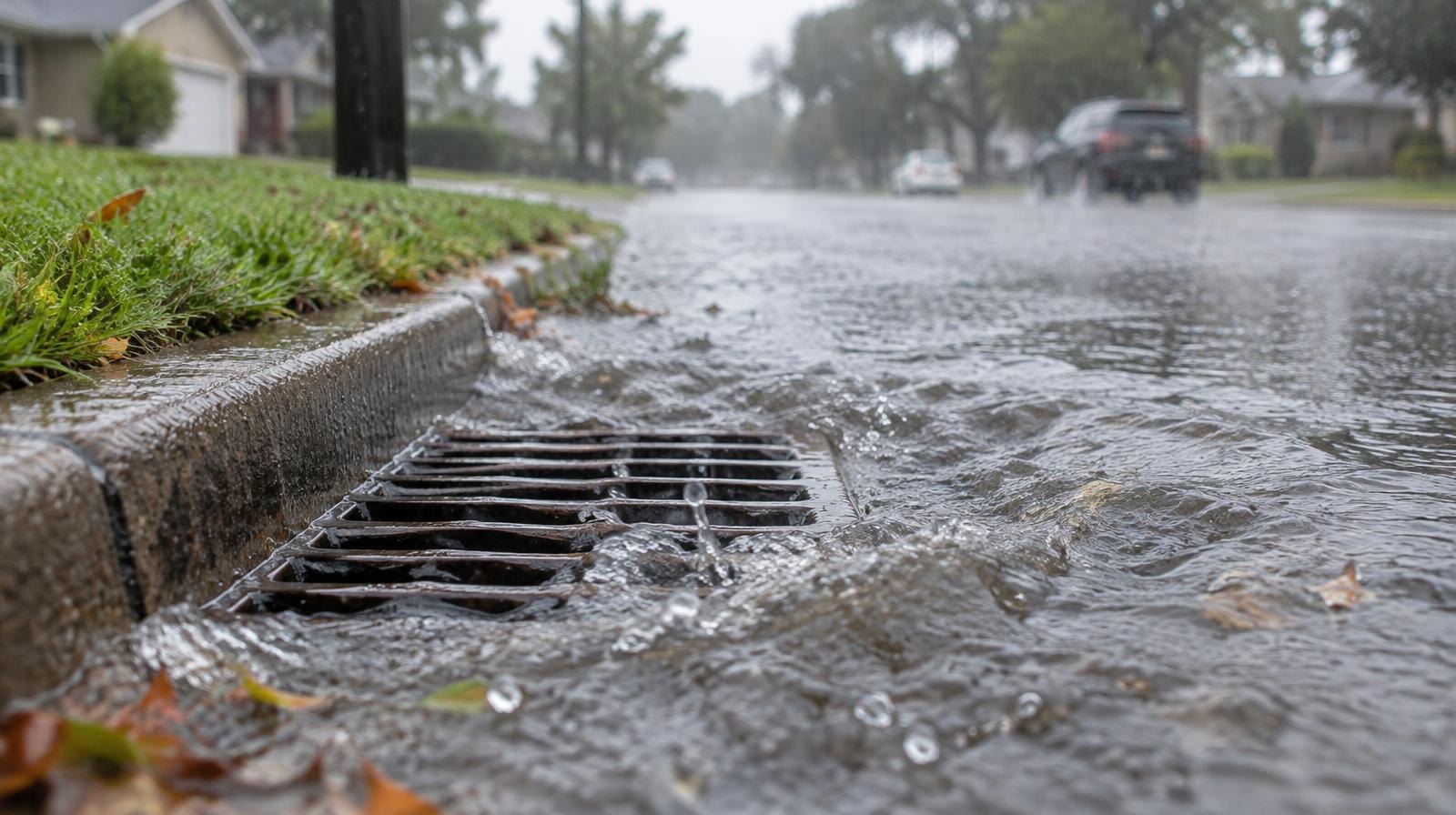
Park Ridge and Niles residents should hold off on showers, laundry and dishwashers as heavy rain strains the region's sewer system.
The Metropolitan Water Reclamation District of Greater Chicago (MWRD) issued an Overflow Action Alert on Tuesday, Sept. 29, asking households to cut water use during and after the storm. The alert covers Park Ridge, Niles and dozens of other Cook County communities.
The district's guidance is specific: delay showers and baths, flush less often, and wait to run the dishwasher or washing machine.
The reason comes down to pipes. In most of the Chicago area, rainwater and household wastewater share the same sewer lines, the MWRD said. When too much water enters those pipes too quickly, sewers can back up into streets and basements. Excess water can also overflow into rivers.
Moisture from former Hurricane Polo is driving the rain, according to WGN's weather forecast. Rain was expected to continue through Thursday, Oct. 1, before drying out by the weekend.
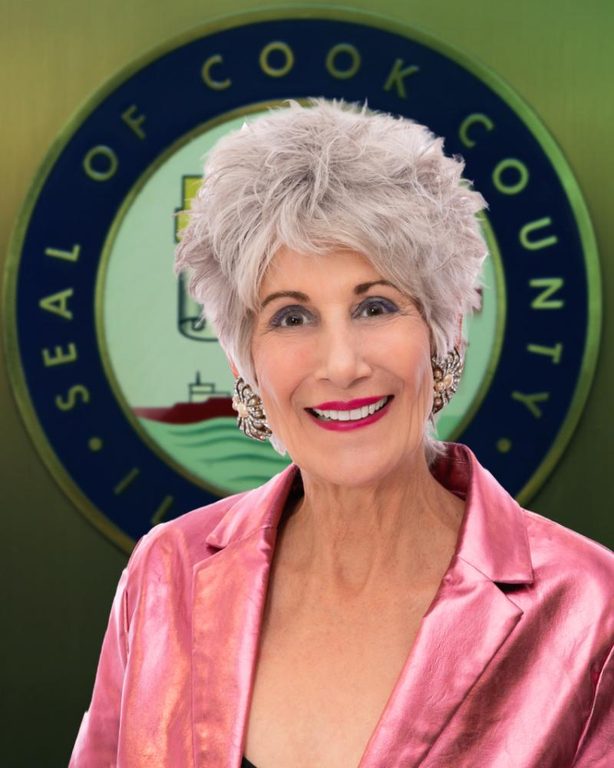
MWRD President Kari K. Steele told NBC 5 that "our staff is managing billions of gallons of water at our seven water reclamation plants and through our Tunnel and Reservoir Plan, which is operating to protect our water environment and mitigate flooding." Steele encouraged residents to conserve water when possible to create more capacity in the system.
That Tunnel and Reservoir Plan, known as TARP, includes the McCook Reservoir, which serves 3.1 million people in 37 communities. Park Ridge and Niles are among them. According to the MWRD's TARP page, if the reservoir and tunnels fill up and heavy rains continue, sewers will overflow to waterways.
During a prior alert on Sept. 20, the McCook Reservoir was at 95% capacity. The system began releasing combined storm and sewer water into local waterways around 5 a.m. that day, MWRD Executive Director John Murray told the Chicago Tribune. No current reservoir levels for the Sept. 29 alert were available.
The Overflow Action Alert is a joint initiative of the MWRD and Friends of the Chicago River. Residents can sign up for future text alerts at the MWRD's overflow action page. The MWRD can also be reached at 312-751-6633.